
Chronic management
Prediabetes and type 2 diabetes: the numbers, the goals and how I'd treat them
What your A1C and blood sugar mean, who should be tested, how to turn prediabetes around, what to aim for with type 2 diabetes, and how the medicines compare.
The short answer
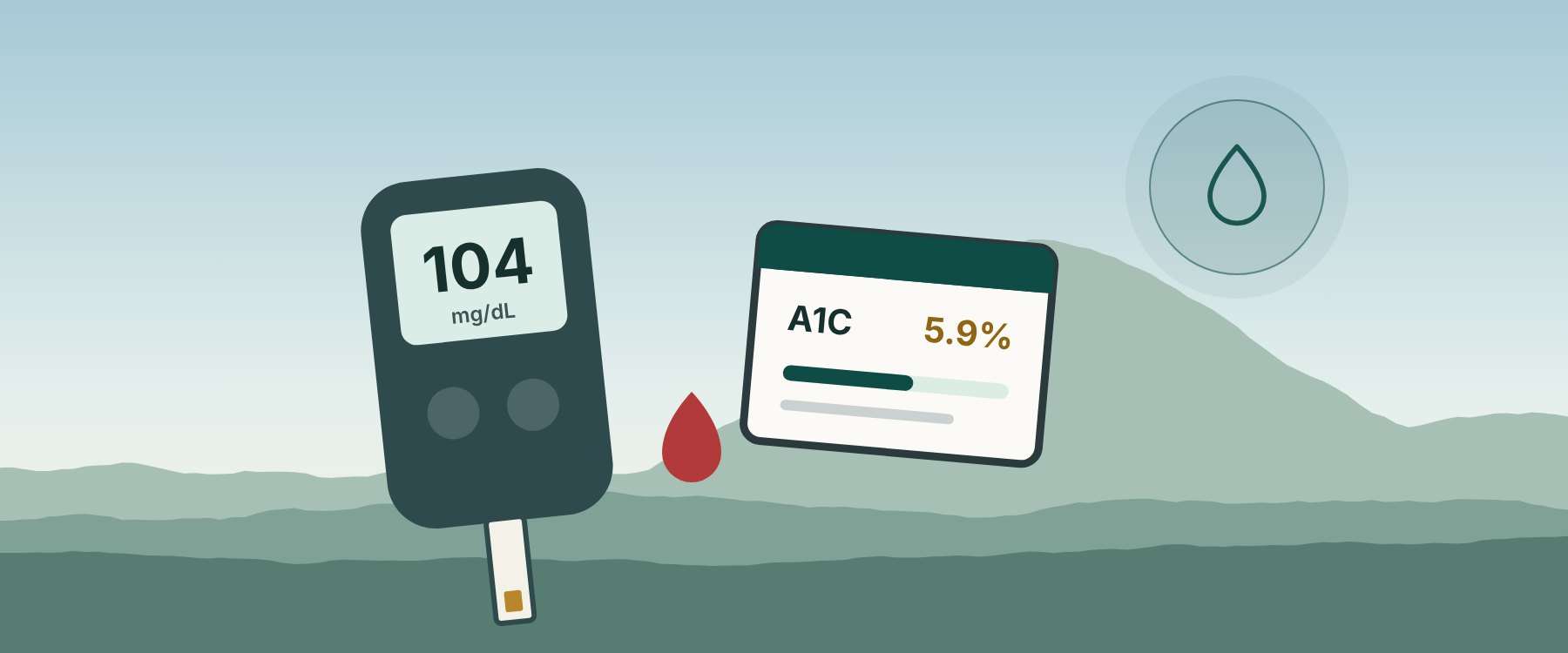
- Prediabetes is an A1C of 5.7% to 6.4% or a fasting blood sugar of 100 to 125. Diabetes starts at an A1C of 6.5% or a fasting sugar of 126. In the Diabetes Prevention Program, losing about 7% of body weight and walking 150 minutes a week cut the chance of prediabetes turning into diabetes by 58%.
- For type 2 diabetes, the goal for many adults is an A1C under 7%. Today's medicines are chosen as much for heart, kidney and weight benefits as for blood sugar.
Type 2 diabetes is common, quiet and very treatable, and prediabetes is the best chance to stop it before it starts. Most people with high blood sugar feel fine for years, which is why so many don't know they have it. Over time, though, high blood sugar damages the small blood vessels in the eyes, kidneys and nerves, and it raises the risk of heart attack and stroke. Catching it early, and treating it well, lowers all of those risks.
Education, not a prescription
This guide explains what I'd go over at a diabetes visit. It doesn't replace a visit, or advice about your own health and medications. Don't start, stop or change a medication based on this page.
What the numbers mean
Three blood tests are used to diagnose prediabetes and diabetes. The A1C shows your average blood sugar over about the last 3 months, so you don't need to fast for it. A fasting blood sugar is drawn after at least 8 hours without food. The 2-hour glucose tolerance test checks your blood sugar 2 hours after a sweet drink.
A single result in the diabetes range is usually repeated to confirm it, unless you already have clear symptoms such as heavy thirst, frequent urination, blurry vision or weight loss you can't explain, with a random blood sugar of 200 or higher.
Who should be tested
The U.S. Preventive Services Task Force recommends screening adults 35 to 70 who have overweight or obesity (a BMI of 25 or more). I'd also check sooner for anyone with symptoms, and I'd keep an eye on people with a family history of diabetes, diabetes during a past pregnancy, or high blood pressure or cholesterol, since those travel together.
Prediabetes: turning it around
Prediabetes isn't a diagnosis to shrug at, and it isn't a sentence either. The landmark Diabetes Prevention Program followed 3,234 people with prediabetes for an average of 2.8 years.
| What they did | New diabetes, per 100 people a year | |
|---|---|---|
| Placebo | Standard advice | 11.0 |
| Metformin | 850 mg twice a day | 7.8 (31% lower) |
| Lifestyle | Lose at least 7% of body weight and get at least 150 minutes a week of moderate exercise | 4.8 (58% lower) |
Lifestyle beat metformin, and the goals were modest: for someone at 220 pounds, 7% is about 15 pounds. The 2026 ADA Standards set the weight-loss target at 5% to 7%, and say Mediterranean-style and lower-carbohydrate eating patterns have the best evidence for preventing or delaying diabetes. Here's what I'd focus on:
- Move most days. Work up to 150 minutes a week of brisk walking or similar, and add strength training. Muscle is where most of your blood sugar goes after a meal.
- Change what's on the plate, not just how much. More vegetables, beans, fish, olive oil, nuts and whole grains; fewer sugary drinks, refined starches and ultra-processed snacks.
- Aim for 5% to 7% weight loss and keep it off. If you need help with weight, my guide to weight-loss medications covers the options.
- Recheck. I'd repeat the A1C to see the trend, and treat the blood pressure and cholesterol that often come with prediabetes.
Type 2 diabetes: the goals
For many adults who aren't pregnant, the 2026 ADA goal is an A1C under 7% and, for anyone wearing a continuous glucose monitor, more than 70% of the day in range. Goals are set person by person. Someone young and healthy may aim lower, while an older adult, or someone prone to low blood sugar, may safely aim higher.
Blood sugar is only part of the job. Most of the harm from diabetes comes through the heart and blood vessels, so I'd also treat blood pressure, cholesterol (a statin for most people with diabetes aged 40 to 75), smoking and weight, and screen every year for early eye, kidney and foot damage.
What a diabetes visit looks like
- LabsA1C, kidney function and a urine protein check, cholesterol, and anything your medicines call for.
- ReviewYour readings or monitor report, any low blood sugars, how you're eating, moving and sleeping, and how your medicines are sitting with you.
- ExamBlood pressure, weight, and a foot check for numbness, poor circulation and sores.
- PlanOne or two changes at a time, chosen together, with a date to recheck the A1C.
- YearlyA dilated eye exam, a kidney check, and your vaccines.
How the medicines compare
The newer medicines aren't just stronger sugar-lowering pills. Several protect the heart and kidneys too, so the choice depends as much on your other conditions as on your A1C.
| What it does well | Watch for | |
|---|---|---|
| Metformin | Inexpensive, a once- or twice-daily pill, used for decades, and doesn't cause low blood sugar on its own | Stomach upset and diarrhea; lower vitamin B12 over time |
| GLP-1 and GIP/GLP-1 medicines (semaglutide, tirzepatide and others) | Lower blood sugar and weight. Recommended with heart disease or high heart risk, kidney disease, and heart failure with obesity | Nausea and vomiting, especially when the dose goes up; a slight increase in pancreatitis risk |
| SGLT2 inhibitors (empagliflozin, dapagliflozin and others) | Recommended with chronic kidney disease, and helpful in heart failure | Genital yeast infections and urinary infections; a rare form of ketoacidosis with near-normal sugars |
| Sulfonylureas (glipizide and others) | Inexpensive and strong | Low blood sugar, and weight gain of about 4 to 11 pounds |
| Insulin | The strongest option, adjustable to any level of need | Low blood sugar and weight gain; a continuous glucose monitor is recommended |
A continuous glucose monitor, a small sensor worn on the arm, is recommended for anyone on insulin and can help on other medicines too. Many people find it the single most useful tool for seeing how food, exercise and sleep move their numbers.
Common side effects, and how to handle them
- Stomach upset on metformin: take it with meals, start low and go up slowly. The extended-release form is usually easier on the stomach.
- Nausea on a GLP-1: eat smaller meals, stop when you're full, and avoid greasy food. Most of it fades within weeks at each dose. Severe belly pain that goes to the back, with vomiting, needs to be seen the same day.
- Yeast infections on an SGLT2: good hygiene and plenty of water help. Pause the medicine and call me if you're vomiting, can't eat or drink, or are having surgery.
- Low blood sugar on a sulfonylurea or insulin: shakiness, sweating, a racing heart, hunger or confusion. Take fast sugar, such as glucose tablets or juice, recheck in 15 minutes, and tell me, since the dose likely needs to come down. The 2026 ADA Standards now recommend oral glucose in every first-aid kit.
When to call
- Call 911 for confusion, fainting or seizure from low blood sugar, or chest pain, trouble breathing or stroke symptoms.
- Call me the same day for blood sugar that stays over 300, vomiting and can't keep fluids down, belly pain with vomiting, or very heavy thirst and urination with weakness.
- Call me for repeated low blood sugars, a foot sore that isn't healing, new numbness, or vision changes.
Common questions
What A1C is prediabetes?
An A1C of 5.7% to 6.4% is prediabetes, and 6.5% or higher is diabetes. A fasting blood sugar of 100 to 125 is also prediabetes, and 126 or higher is diabetes.
Can prediabetes be reversed?
Often, yes. In the Diabetes Prevention Program, losing at least 7% of body weight and getting 150 minutes a week of moderate exercise cut the chance of prediabetes turning into diabetes by 58%. The 2026 ADA Standards set a weight-loss target of 5% to 7%.
What is a good A1C for someone with type 2 diabetes?
For many nonpregnant adults, the American Diabetes Association goal is an A1C under 7%, with more than 70% of the day in range on a continuous glucose monitor. Goals are set person by person.
Who should be screened for diabetes?
The U.S. Preventive Services Task Force recommends screening adults 35 to 70 who have overweight or obesity. Anyone with symptoms such as heavy thirst, frequent urination or unexplained weight loss should be tested too.
Does metformin prevent diabetes?
It helps. In the Diabetes Prevention Program, metformin lowered the chance of developing diabetes by 31%, though lifestyle changes did better, at 58%.
What are the side effects of diabetes medicines?
Metformin commonly causes stomach upset and diarrhea. GLP-1 medicines cause nausea and vomiting, SGLT2 inhibitors cause genital yeast infections, and sulfonylureas and insulin can cause low blood sugar and weight gain.
Sources: Centers for Disease Control and Prevention. National Diabetes Statistics Report, At a glance (2023 data; reviewed September 16, 2026). cdc.gov. American Diabetes Association Professional Practice Committee. Diagnosis and Classification of Diabetes: Standards of Care in Diabetes—2025. Diabetes Care. 2025;48(Suppl 1):S27–S49, as tabulated in the Merck Manual. US Preventive Services Task Force. Screening for prediabetes and type 2 diabetes, final recommendation, August 2021, reported by AAFP. Diabetes Prevention Program Research Group. Reduction in the incidence of type 2 diabetes with lifestyle intervention or metformin. N Engl J Med. 2002;346(6):393–403. American Diabetes Association. Standards of Care in Diabetes—2026, summarized in Diabetes & Primary Care and 2 Minute Medicine. Brutsaert EF. Medications for diabetes mellitus treatment. MSD Manual Professional Version, January 2026. msdmanuals.com.
Join the waitlist
Peak Health is not open yet. It opens for direct primary care in Colorado Springs after Dr. Bennett's Army service ends. People on the waitlist hear first and are offered membership first.
No payment and no commitment.