
Procedure guide
The birth control implant: what to know before, during and after
How well the implant works, what it does to periods, and the risks, steps and aftercare I'd go over with you before placing or removing one.
The short answer
- The implant is a soft rod the size of a matchstick, placed under the skin of the upper arm. It prevents pregnancy more than 99% of the time, is now approved for up to 5 years, and fertility returns within days to weeks of removal.
- The main trade-off is unpredictable bleeding. About 1 in 5 people have no bleeding at all, about 1 in 5 have frequent or prolonged bleeding, and about 1 in 9 have it removed for that reason.
The contraceptive implant, sold as Nexplanon, is the most effective reversible birth control there is. It's a small flexible rod placed just under the skin of the inner upper arm in a procedure that takes a few minutes. Once it's in, there's nothing to remember. Before placing one, I'd want you to know how it works, what it's likely to do to your periods, and what placement and removal involve.
Education, not a consent form
This guide explains what a consent visit covers. It doesn't replace the conversation and signed form before your own procedure, or advice about your own health.
What the implant is
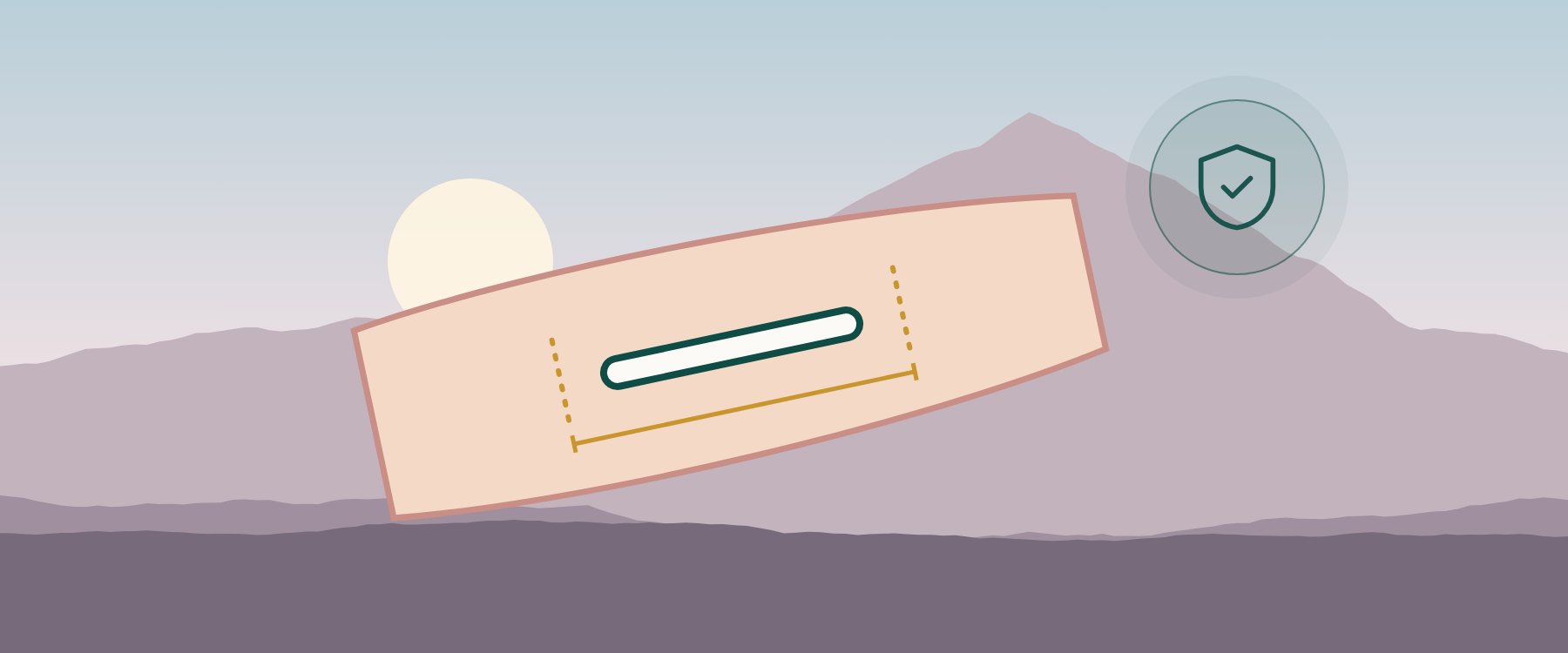
The implant is a single rod, 4 centimeters long and 2 millimeters wide, that slowly releases a progestin hormone called etonogestrel. It contains no estrogen. It works mainly by stopping the ovaries from releasing an egg, and it also thickens the mucus at the cervix so sperm can't get through. It sits just under the skin on the inner side of the non-dominant upper arm, over the triceps muscle, where you'll be able to feel it but not see it.
| How often | What it means | |
|---|---|---|
| No bleeding at all | About 22% | Safe, and many people like it |
| Infrequent bleeding | About 34% | Fewer than three episodes in three months |
| Prolonged bleeding | About 18% | An episode that lasts more than two weeks |
| Frequent bleeding | About 7% | More than five episodes in three months |
These figures come from the first two years of use in the studies that led to approval. Your own pattern can change over time, and the bleeding pattern has no effect on how well the implant works.
Who it's for
- Anyone who wants very effective, long-lasting, reversible birth control without a daily, weekly or monthly task, including teens.
- People who can't or don't want to use estrogen, such as those who get migraines with aura or smoke after age 35.
- People who'd rather avoid a pelvic procedure. Unlike an IUD, the implant goes in the arm.
- Removal when you want to get pregnant, when the implant reaches its time limit, or when you'd like a different method.
Who should wait, or choose something else
- Possible pregnancy. We'll confirm you're not pregnant first.
- Breast cancer, now or in the past, or another cancer that grows in response to progestin.
- Unexplained vaginal bleeding, which should be looked into before starting.
- Active liver disease or a liver tumor.
- A current or past blood clot, which the label lists as a reason not to use it and which calls for a careful conversation about the safest method.
- Certain medications that make the implant less effective, including some seizure medicines, rifampin and the HIV medicine efavirenz. Bring your medication list.
Benefits and risks
Benefits
The most effective reversible method, with nothing to remember. Works for up to 5 years and can be removed any time. No estrogen. Often makes periods lighter and less painful. Safe while breastfeeding.
Common risks
Unpredictable bleeding or spotting, the main reason people stop. Headache (25%), weight gain (14%, averaging about 3 pounds in the first year), acne (14%) and breast tenderness (13%) in the studies. A bruise and soreness at the site for a few days.
Less common risks
A small scar. Infection at the site. Mood changes. An implant placed too deep, about 9 in 1,000 placements, which makes removal harder. Difficulty at removal, in about 1.5%.
Rare risks
Injury to a nerve or blood vessel in the arm, about 1 in 10,000 placements. The implant moving from where it was placed; in very rare reports it has traveled through a vein to the lung. A broken or bent implant.
Give it a few months, and tell me about the bleeding
Bleeding is the reason most people give up on the implant, and it's often treatable. A short course of other hormones or an anti-inflammatory medicine can settle a long stretch of bleeding. Call before deciding to have it taken out.
Alternatives
- An IUD, hormonal or copper, which is just as effective and lasts 3 to 12 years.
- The shot, every three months.
- The pill, patch or ring, which work well but depend on remembering them.
- Condoms, which also protect against sexually transmitted infections. The implant doesn't.
- Permanent options such as a vasectomy for a partner or tubal surgery.
Step by step: placement
- CheckWe review your history and medications, confirm you're not pregnant, talk through what to expect with bleeding, and you sign consent.
- PositionYou lie back with your non-dominant arm bent and your hand under your head, so the inner upper arm faces up.
- Mark and numbI mark the spot, clean the skin and inject numbing medicine along the path the implant will take. This is the only part that stings.
- PlaceThe implant comes preloaded in a slim applicator. The needle slides just under the skin, the implant is released and the applicator is withdrawn. It takes under a minute.
- FeelWe both feel the implant under the skin to confirm it's there. This matters: you should always be able to feel it.
- DressA small adhesive strip and a pressure bandage go on.
Removal
Removal takes a few minutes. After numbing the skin at the lower end of the implant, I make a cut about 2 millimeters long, push the tip of the implant toward it and grasp it with a small instrument. Sometimes a thin layer of scar tissue has to be opened first. A new implant can go in through the same opening at the same visit. If the implant can't be felt, it's located with ultrasound or an X-ray before any attempt is made. Hormone levels drop within about a week, and pregnancy has happened as early as 7 to 14 days after removal, so start another method right away if you don't want to conceive.
Aftercare
The short version
Keep the pressure bandage on for a day and the small strip on for a few days. Expect a bruise. Feel for the implant now and then.
- Pressure bandage: leave it on for 24 hours to limit bruising. Keep the small adhesive strip on and dry for 3 to 5 days.
- Bruising and soreness for a few days to a week are normal. Acetaminophen or ibuprofen and an ice pack help.
- Backup protection: if the implant goes in during the first 5 days of your period, it works right away. Otherwise, use condoms or avoid sex for 7 days.
- Activity: avoid heavy lifting with that arm for a day or two. After that, there are no limits, though a hard blow to the spot could bend or break the implant.
- Check it: you should be able to feel the whole rod. If you ever can't, use backup protection and call.
- Mark your calendar for the date it's due to come out.
When to call
- Increasing redness, warmth, swelling, pus or fever.
- You can't feel the implant, or it feels bent or broken.
- Numbness, tingling or weakness in the arm or hand.
- Bleeding that's heavy, or that has gone on long enough to bother you.
- A positive pregnancy test, or symptoms of pregnancy.
- Severe headaches, yellowing of the skin or eyes, a painful swollen leg, chest pain or trouble breathing.
Which procedures Peak Health offers in the office will be confirmed before opening. You can see the full list on the Services page, and the rest of these guides in the procedure guides library.
Sources: Nexplanon (etonogestrel implant) prescribing information, Organon. fda.gov. Nexplanon bleeding profile and 5-year indication, Organon, 2026. organonpro.com. Jacobs M. Treatment duration for etonogestrel implant. American Family Physician. 2018;98(3). aafp.org. Curtis KM, Nguyen AT, Tepper NK, et al. U.S. Selected Practice Recommendations for Contraceptive Use, 2024. MMWR Recommendations and Reports. 2024;73(3):1–77. cdc.gov.
Join the waitlist
Peak Health is not open yet. It opens for direct primary care in Colorado Springs after Dr. Bennett's Army service ends. People on the waitlist hear first and are offered membership first.
No payment and no commitment.